


Planning a Gallery Day in LA on Wheels: Build the Route First
A museum is one building with one access page. A gallery day is ten small storefronts and no page at all. Plan the route, then pick the shows.
We roll through LA’s dining rooms, dance floors, box seats, and beach days before we point you at them, so a locked ramp never kills your night.
LA runs on events, and the access intel on most of them is scattered, outdated, or missing. We fix that the slow way. We show up, roll every path from the parking spot to the table, and write down what a wheelchair user needs to know.
Pick a category below to jump into our articles. Every guide covers the same ground: how the visit went, what worked on wheels, and the score we gave it.
Six categories, one standard: nothing gets listed until we have been there on wheels.
Twenty kitchens under one roof sound easy until you meet the counter you cannot see over and the table bolted too low for a footplate. We rate the whole room, not the front door: where you park, whether the way in is step-free, and whether a power chair fits at a table once the place fills up.
A show is only as good as the seat, and an accessible seat that stares at the backs of standing fans is not access. We check the parking, the gate you actually enter through, the box office, and the sightline that has to survive the whole crowd getting to its feet.
Late nights are where access breaks first: the entrance that turns into a back-alley ramp, the room with no floor left by ten, the restroom up a half flight. We scout the way in, the room once it fills, and the exit before you need it.
Museums and theaters love a grand staircase, which is exactly the problem. We map the step-free route in, the elevator that has to reach every floor, and the seat you can actually see the stage from.
Game day runs on logistics: the accessible lot, the ramp to your level, the restroom near your section, and a platform that still sees the field when the row in front stands. We run all of it before we call a stadium easy.
Outdoor access lives and dies on the ground itself. A trail listed as accessible can turn to loose gravel after the first bend, so we check the surface, the grade, the parking, and whether a restroom sits within reach of the spot you came to sit in.
Every review scores five categories from 1 to 5 and ends with a Wheely Good Pro-Tip from the visit. The same test applies at a stadium, a brunch spot, or a museum.
We count the ADA spots, check how close they sit to the door, and roll the path between.
We find the step-free way in and test ramps, elevators, and turning room for a full-size power chair.
We rate how staff handle access requests in person, from tickets to seating.
We check for accessible stalls, grab bars, and doors that open from a chair.
We test table heights, counter reach, and whether you can get food without missing the action.
The scores come from using a place like a paying customer, not from a phone call to the front desk.
Reviews, access breakdowns, and event notes from the places we rolled through most recently.

A museum is one building with one access page. A gallery day is ten small storefronts and no page at all. Plan the route, then pick the shows.

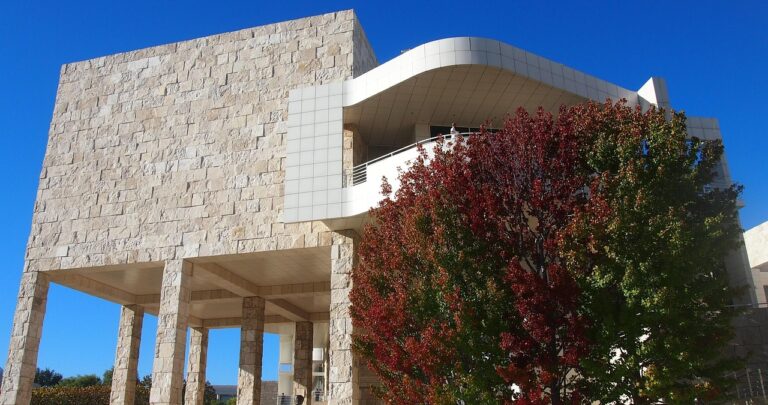
Admission is free, the art sits on a hilltop, and a tram does the climbing. Getty publishes more access detail than almost any venue in LA, so this page covers what it says and what we would still ask.
Bars are the worst-documented venues in the city for access. Ten minutes with Street View, the photo tab, and the menu page tells you more than the website ever will.
Start Here is the short tour: where the events live, how the score cards work, and the checks we run before we send anyone anywhere.
Two minutes, then you are off to the good stuff.
The wheelchair accessible events, venues, and days out we checked in person, in one free PDF.