


Heat, Battery, and Restrooms: The Three Things That End an LA Outdoor Day Early
Outdoor days here rarely fail because a path was too steep. They fail on temperature, charge, or a locked restroom. Plan around whichever binds first.
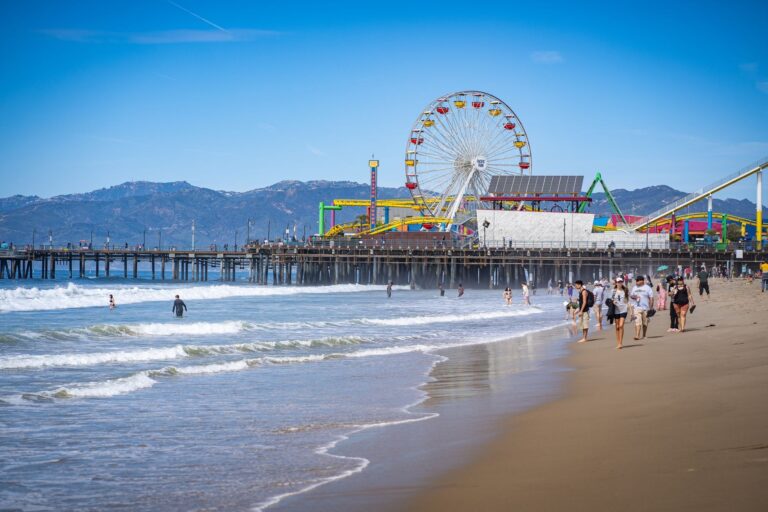
Trails, piers, and beaches around LA, checked for surface, grade, parking, and a restroom within reach of the spot you came to sit in.
Parking ✦ The path ✦ Rentals ✦ Restrooms ✦ Shade
Outdoor access comes down to two numbers: the surface and the grade.
Ask the ranger station or the lifeguard station, because conditions change and websites do not.
Cool, empty, and the parking lot is not full yet.
Almost every route in this category is fine until a specific point. Find out where that point is.
Both stop a chair dead, and neither shows up in a photo of the trailhead.
Outdoor access is about surface and grade, and the point where the pavement turns to sand. We roll it until it stops, then tell you exactly where that is.
Accessible spaces, the surface between the car and the path, and gate widths.
Surface, grade, width, and the point where it turns to sand or gravel.
Whether beach chairs or roll-out mats are on site, and who to ask for them.
Accessible stalls, the route to them, and whether they stay open outside summer.
Where you can park a chair with a view, and whether you can sit out of the sun.
Check the tide before a pier or beach day. Soft sand at high water can close off a route that rolls fine three hours later.
The same five scores as the rest of the site. Outdoors they measure different things, and we score the whole route rather than the first hundred yards.
What a five looks likeMarked accessible spaces on a hard surface, near the trailhead, with a level route off the lot.
What drops the scoreA dirt overflow lot, or accessible spaces that sit behind a gravel apron.
What a five looks likeA firm, stable surface the whole way, a grade you can hold, and gates wide enough to pass.
What drops the scoreA boardwalk that ends in sand, a grade that needs a spotter, or a gate too narrow for a power chair.
What a five looks likeStaff or rangers who know the route, and equipment loans that actually work on the day.
What drops the scoreA phone number nobody answers, or a beach chair that has to be booked a week out.
What a five looks likeAccessible restrooms at the trailhead and open year round.
What drops the scorePortable restrooms with no accessible unit, or facilities that shut outside summer.
What a five looks likeShaded seating with a view, and a picnic table with an open end.
What drops the scoreNo shade at all on the route, or fixed benches with nowhere to park beside them.
We publish the distance at which a route stops being rollable, because a trail that works for four hundred yards is still worth the drive if you know that going in.
Surface is the whole game outdoors, and it changes completely between these.
Wide, flat, and the most reliable outdoor access in the city.
Ask this. Check where the boards change direction, because gaps run crossways in places.
Paved, long, and busy with bikes and skaters.
Ask this. Go early. By midday the path is shared with everybody else in LA.
Roll-out matting that runs from the boardwalk toward the water.
Ask this. Call the lifeguard station and ask whether the mat is out and how far it goes.
Firm surface, gentle grade, and restrooms at the trailhead.
Ask this. The safest bet in the category and the easiest to do on a whim.
Firm for a stretch, then loose, and the transition is rarely signed.
Ask this. Ask a ranger where the surface changes and treat that as the turnaround point.
Paved main routes, unpaved side paths, and real grade on the hilly ones.
Ask this. Ask for the accessible route map. Most gardens have one and few put it online.
Call the ranger station, visitor center, or lifeguard station. Somebody there walked the route this morning.
Some LA County beaches loan beach wheelchairs at no charge and some have roll-out mats to the water. Both are handled beach by beach, so the lifeguard station is the number to call.
Surface decides everything outdoors, and it stops each of these at a different point on the same trail.
Front casters. Small casters dig into loose surfaces long before the rear wheels do.
Do this. Bigger front wheels or a front attachment change the range of this category more than anything else you can buy.
Weight and water. A heavy chair sinks into soft ground, and coastal spray and sand are hard on the motors.
Do this. Ask about the surface for the whole route, not the trailhead, and rinse the chair after a beach day.
Ground clearance. Roots, ruts, and the lip where pavement meets dirt all catch a scooter first.
Do this. Treat the first unpaved section as the turnaround point rather than a challenge.
Four of these five are surface problems. The fifth is the parking lot.
Ask for the distance in yards where the surface changes, then plan the turnaround.
Ask whether the accessible spaces are paved, because at trailheads they often are not.
Ask for the clear width at the narrowest gate. Anti-motorcycle barriers are the usual culprit.
Ask how far it runs today. Mats get shortened and moved with the season.
Check opening months as well as opening hours before a winter trip.
Outdoors is the one category where the day of the week matters less than the hour and the water.
Cool, empty lots, and firm damp sand near the water line.
The best conditions of the day.
Full lots, no shade, and hot surfaces.
The hardest few hours. Bring shade or wait.
Lots clearing, light softening, and the boardwalk still busy.
Good, if you can find parking.
The reason to come, and the most crowded hour on any pier.
Arrive an hour early and hold your spot.
Half the outdoor trips that fail in this city fail in the parking lot, before anyone reaches the path.
If a park has more than one entrance, ask which one has the paved accessible parking. They are rarely the same size and rarely equally surfaced.
Sun, wind, sand, and no shops. Pack like there is nothing out there.
There is no shade on a pier and none on a coastal path.
Trailheads in this city often have no water at all.
Gravel and goatheads are what end an outdoor day early.
Hot vinyl in direct sun gets dangerous fast.
Signal drops in canyons and along parts of the coast.
The coast runs ten degrees cooler and much windier than inland.
Park websites use these terms loosely. Each one behaves differently under a wheel.
Asphalt or concrete. The only surface that behaves the same in every season, and the one worth driving further for.
Compacted crushed rock. Firm and fine when it is fresh and rolled, loose and draggy where it has washed out.
Timber or composite decking. Usually excellent, though board gaps running crossways can catch a small caster.
Fine when dry, a different surface entirely after rain, and the term parks use most loosely.
Roll-out matting laid over sand toward the water. Firm to roll on, and it rarely reaches the water line.
The sign for sand, loose gravel, roots, or all three. Treat it as the end of the rollable route until somebody tells you otherwise.
Outdoor problems are usually maintenance rather than policy, and reporting them is how they get fixed for the next person.
They know the route, they know when it was last graded, and they can often open a gate.
Beach wheelchairs and mats are frequently on site but not advertised. Ask directly.
A photo and a distance from the trailhead is what turns a complaint into a work order.
Park staff rotate between sites, so a name and a date matter more here than anywhere else.
City, county, or state, depending on who runs the park. If a public authority will not fix a real barrier, there is a federal complaint process at ada.gov.
Reviews, access breakdowns, and event notes from wherever we rolled through most recently. New outdoor write-ups land here as we publish them.

Outdoor days here rarely fail because a path was too steep. They fail on temperature, charge, or a locked restroom. Plan around whichever binds first.

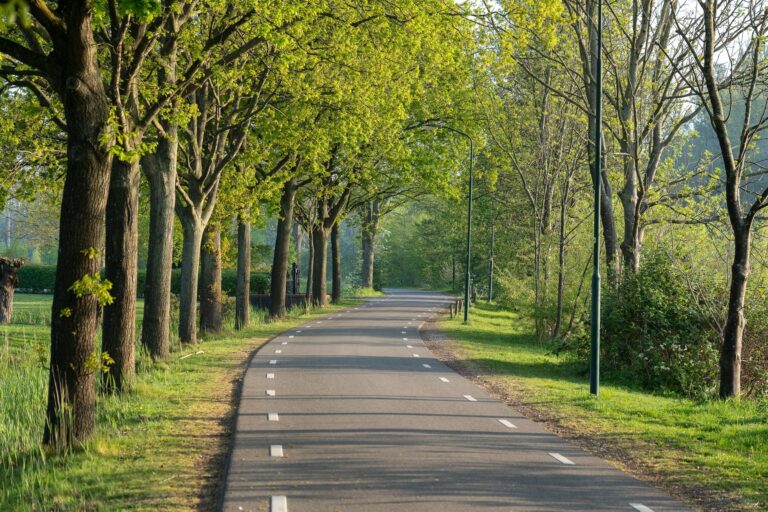
LA County lends beach wheelchairs free and lays access mats over the sand at several beaches. How both programs work, and what neither of them covers.

“Wheelchair friendly” on a hiking app is a user-submitted tag. Five numbers tell you the truth, and LA County is refreshingly blunt about its own trails.
Everything here comes from questions people actually send us. If yours is not answered, ask it.
At some LA County beaches, yes. Roll-out mats and free beach wheelchair loans both exist, handled beach by beach, so the lifeguard station is who to ask.
They work well on sand and badly everywhere else, and they need somebody to push. Ask whether the beach has a powered one, because a few do.
It depends entirely on the chair, the surface, and the length of the climb. Ask for the steepest section rather than the average, because the average tells you nothing.
When it is freshly laid and compacted, yes. Once it has washed out into loose grit, it drags badly. Ask when the path was last resurfaced.
Tide decides how much firm sand there is and whether a mat reaches usable ground. Check it the morning of a beach day.
Some do and most are vague about it. That is the gap our write-ups are for, which is why we publish the yardage where a route stops working.
Same standard on every page. Nothing gets listed until we have been there on wheels.
Tell us where to go next. We check the parking, the surface, the restrooms, and the views in person, then post what we find.
We read every message.
The wheelchair accessible events, venues, and days out we checked in person, in one free PDF.