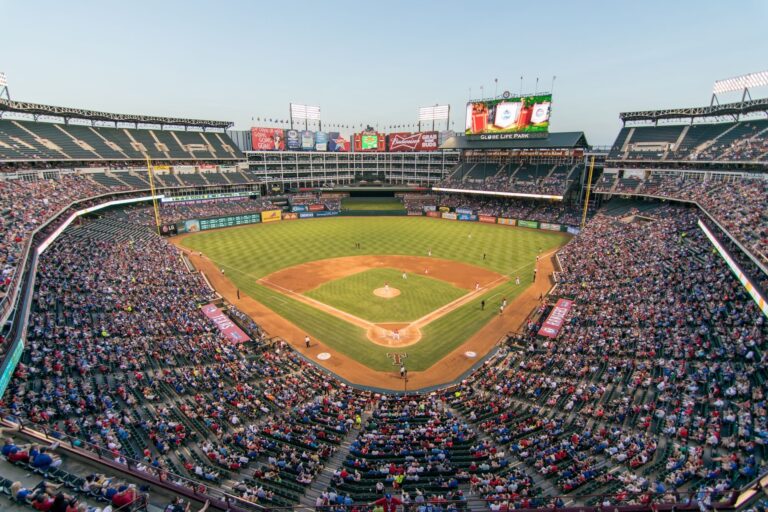

The ticket is the easy part of a game in Los Angeles. The building sits inside a ring of parking lots, freeway ramps, and a rideshare pickup zone that moves without warning, and a power chair turns every one of those into a decision.
This is the running order we plan against, from two weeks out to the moment you are back in the car.
Two weeks out: decide how you arrive
Los Angeles gives you three realistic options and they are not equal.
- Your own vehicle with a placard. Most control, highest parking cost, worst exit.
- Metro, where a venue sits on a rail line. You skip the lot exit completely, which is the single worst part of a game day on wheels.
- Wheelchair accessible vehicle rideshare. Uber runs WAV and Lyft runs Access Mode, and both cover Los Angeles.
The rideshare option has terms attached that are easy to miss. Lyft’s WAV page says Access Mode has to be switched on in the app settings before you can request one, and that in Los Angeles the service runs 7am to midnight with pickups and drop-offs inside LA County only.
Supply is the real constraint on both. Treat the ride home as something you arrange before the fourth quarter rather than after it.
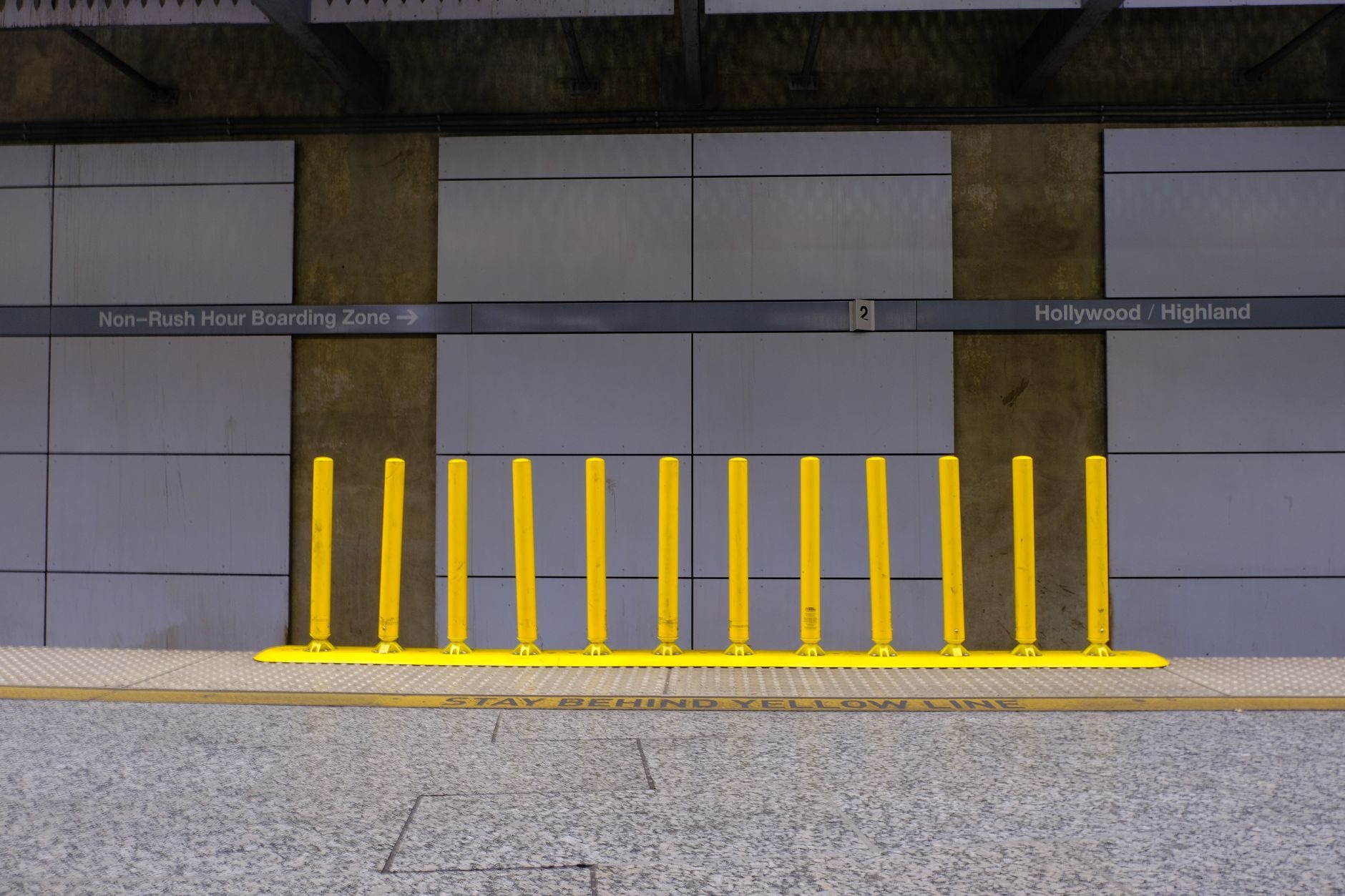
The case for the train
Metro trains have designated wheelchair areas and no securement devices, so you set your brakes or power down for the ride. Metro’s accessibility guide covers the details.
The failure mode is elevators. Check station elevator status before you leave, and know the fallback: when an elevator is out you can take a bus to the next station at no charge. Metro publishes outages and runs an alert account for exactly this.
Plan the return leg too. A station that was straightforward at 5pm is a very different place in a post-game crowd.
The accessible lot is not the closest lot
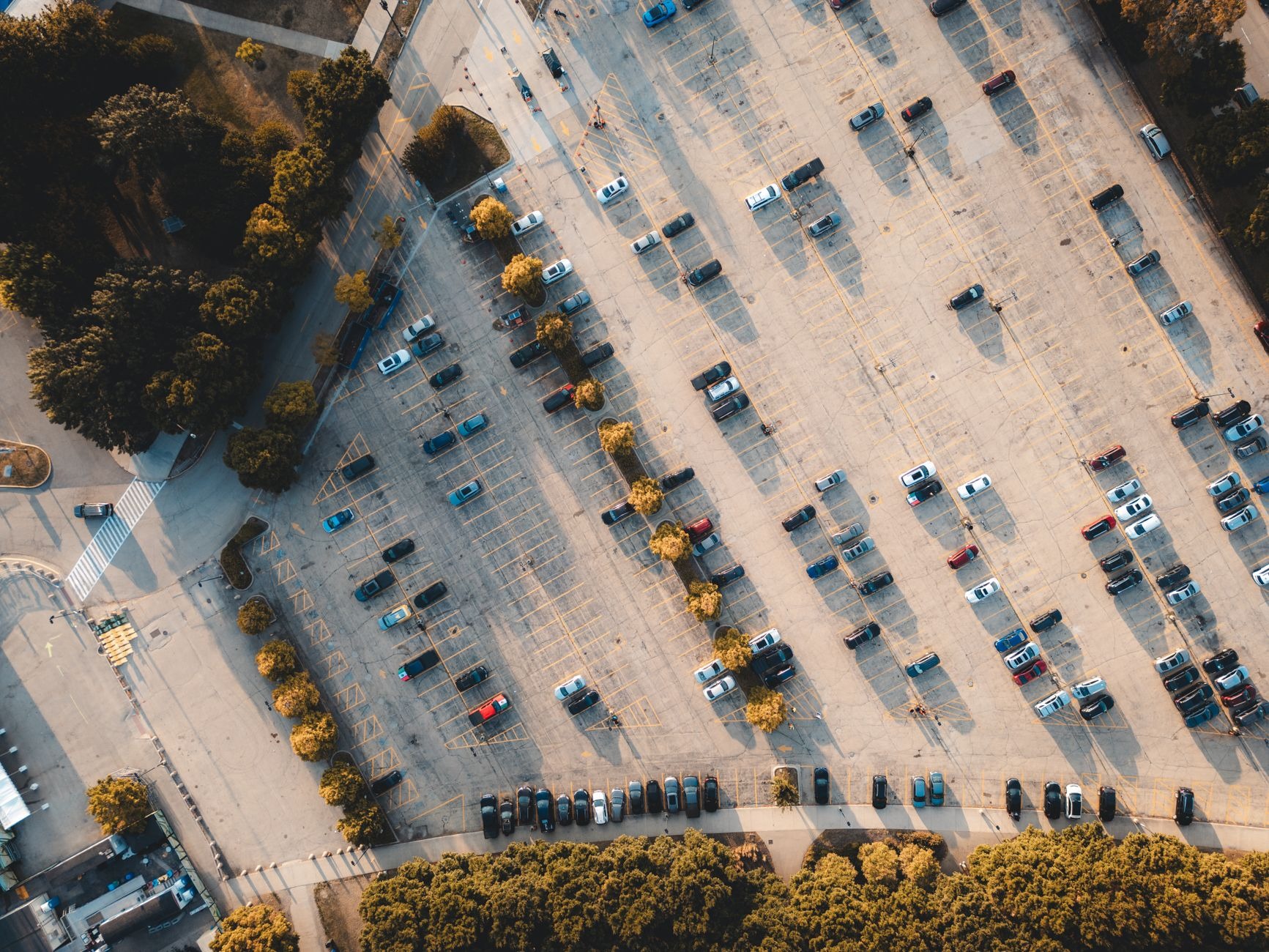
Stadium ADA parking is assigned by lot, and the lot nearest your gate is often reserved for something else entirely.
Ask the venue which lot you want and which street you enter it from. Some lots can only be reached from one direction, and once you are in the wrong queue on a one-way approach you are committed to it.
Ask about a shuttle in the same call. The Dodgers run a courtesy mobility shuttle from the lots to the gates, dispatched by phone once you have parked, on their published hotline. It is in the ballpark guide. Other venues run something similar without putting it on the front page.
The drop-off, if somebody else is driving
A drop-off only replaces parking if you know where the accessible drop-off actually is. Ask for the exact curb, whether it has a curb cut onto a step-free route, and whether it is staffed.
Then agree the pickup point before anyone gets out of the car. Cell service outside a full stadium is unreliable and “I am near the north side” is not a location.
Getting out
Leaving is what ruins evenings. Elevators back up, the concourse fills, and the lot exits go single file for forty minutes.
There are two plans that work. Leave with ten minutes on the clock and accept missing the end, or decide in advance to wait it out somewhere with a restroom and a wall socket.
Joining the crowd at the final whistle is the worst of the three, and it is the one everybody defaults to.
The call that fixes most of this
Every large LA venue has a guest services number and they answer it. Crypto.com Arena publishes theirs, the Dodgers publish an ADA ticket line and a separate hotline for the shuttle, and SoFi stations mobility ambassadors inside specific entries.
Call, describe the chair, and describe the route from the freeway to the seat. Ten minutes on the phone buys the whole night. Our five standard questions are the script.
Write down the name
Ask who you are speaking to and keep it with your booking. At Angel Stadium the thing that set the tone for the whole visit was staff pointing us straight to the ADA spots, and the score card from that night reflects it.
When the night goes sideways instead, a name gets problems fixed faster than a ticket stub does.