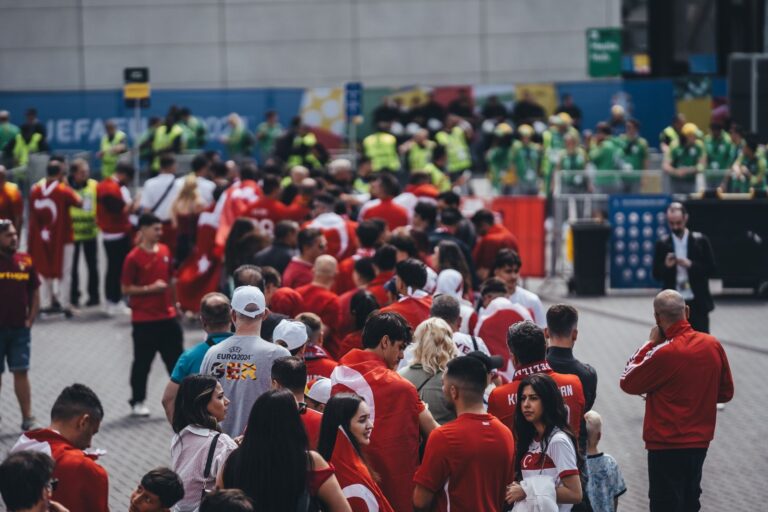

A day game in Los Angeles can run six hours from the parking lot to the exit ramp, and a lot of that is in direct sun on an uncovered platform.
Everything below solves a problem that has no fix once you are through security.
Bag rules first, because they decide the rest
Large US stadiums have mostly converged on a small clear bag plus a wristlet, with a short list of exceptions on top. Dodger Stadium’s guide is a good example of the shape: no bags, backpacks, coolers, or large purses, and then clear plastic bags up to 12 by 12 by 6 inches, non-clear wristlets up to 5 by 8 by 2 inches, and adult diaper bags are permitted and subject to search.
The wording is the part to read carefully, because “medical bag” is not always the phrase a venue uses. Some list medical supplies, some list adult diaper bags, and some cover it under a general accommodation you have to ask for.
So look up the policy on the venue’s own A to Z guide before you pack, then call and ask two things: what they call the exception, and which gate handles it. Arriving at the wrong gate with a chair and a bag full of supplies costs half an hour you do not have.
Pack that bag so it opens flat and shows everything at once. The security check is where a good plan meets somebody who has never seen your equipment before.
Power
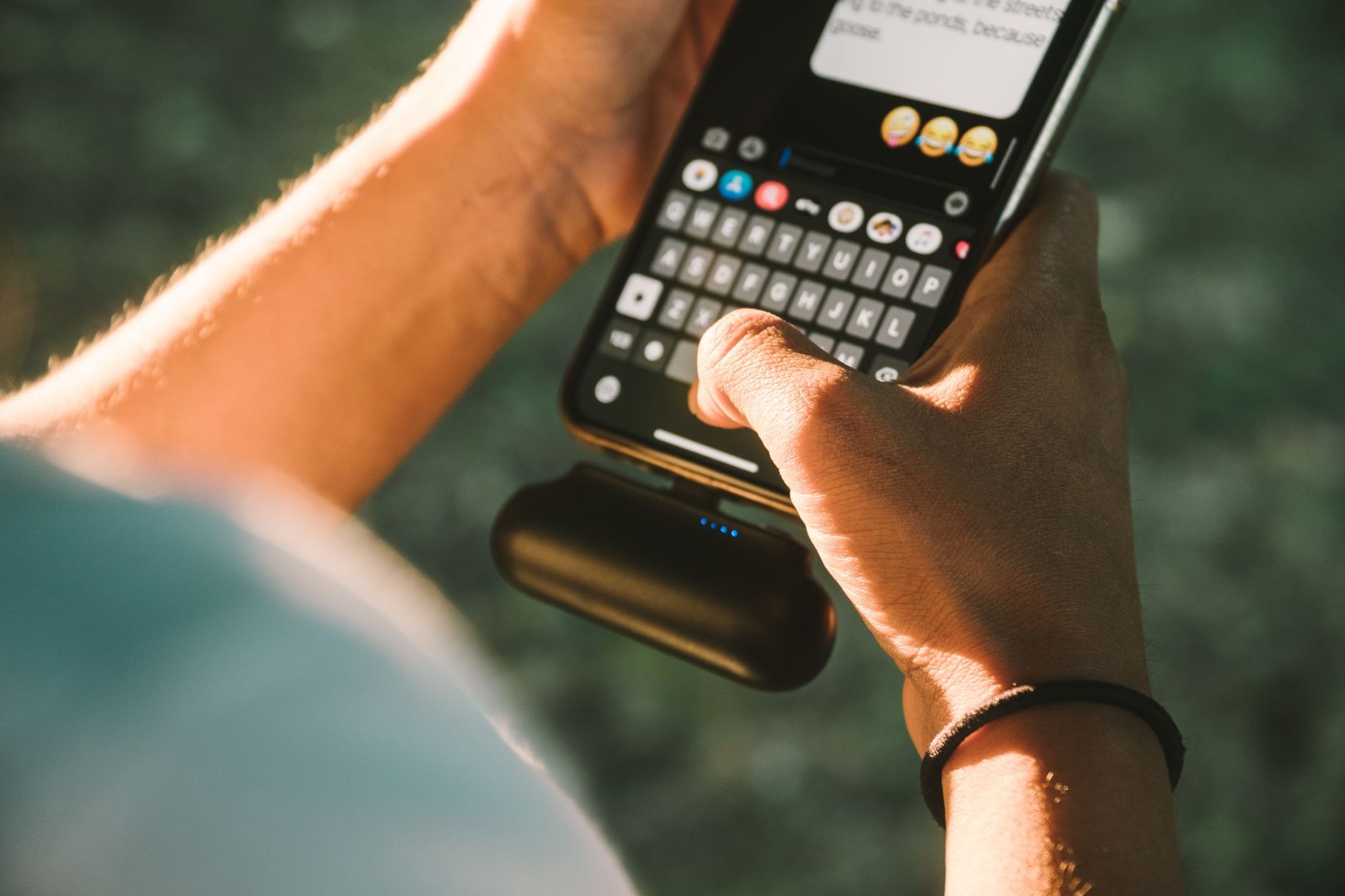
- A power bank with enough capacity for a full day. Your phone is your ticket, your map, your ride home, and the thing you call guest services on.
- Your chair charger, if the day runs long. Ask guest services whether there is an outlet near accessible seating before you count on one.
- A short cable. Stadium outlets are always somewhere awkward, and a two-foot cable will not reach.
Charge the chair to full the night before even if the outing looks short. Ramps, thick carpet, and long concourses take more out of a battery than the distance suggests.
Sun and heat
LA sun in summer is a full-day exposure problem rather than a midday one, and accessible platforms are frequently uncovered.
- Sunscreen in a format you can apply one-handed.
- A wide brim hat and sunglasses, because a cap leaves your neck and ears out in it.
- Water. Many venues allow an empty bottle through security and have refill stations inside, but confirm on the venue guide first.
- A cooling towel. Wet, around the back of the neck, it beats a handheld fan on a platform with no airflow.
If your body no longer regulates temperature the way it used to, treat the forecast as a hard limit rather than a suggestion, and take your doctor’s guidance over ours.
The chair itself
- Check the cushion before you leave. Six hours in one position is longer than a normal day out and you will feel the difference the next morning.
- Carry the one tool your chair actually needs, usually a single hex wrench.
- A patch kit if you run pneumatic tires. Stadium concourse floors collect debris all day.
- A spare joystick cap or glove if you use one, because a sweaty grip in ninety degree heat is a real problem.
Paper beats signal
Print or screenshot the tickets. Cell service inside a full stadium fails at exactly the moment you need to show a barcode.
Screenshot four more things: the accessible entrance name, your lot number, the guest services phone number, and where you parked. Put them in one album so you are not scrolling through photos of the game to find them.
What to leave at home
Skip the backpack that hangs off the push handles. It changes the balance of the chair, it catches on people in a crowd, and at the bag check it is the thing that pulls you out of line.
Leave anything you would hate to have confiscated. Bag policies at large venues change between seasons and the person at the gate is enforcing today’s version, not last year’s.
Pack the night before
Put the medical bag on top and the tickets in your pocket. Then read the five questions we ask any venue and make the call in the morning, because the answer to “which gate handles the medical bag” changes the whole arrival.