
Almost every large museum in Los Angeles publishes an accessibility page. Reading one takes about four minutes and it takes most of the guesswork out of the trip.
The pages are useful. They are also written to reassure, so they cover the building well and skip the parts of a visit that go wrong.
We read them in a fixed order, then call about the rest.
Start with the words, not the reassurance
“Wheelchair accessible” on a museum page usually means the galleries can be reached without stairs. It rarely means every door, every elevator, and every special exhibition entrance.
Watch for language that names a specific accessible door. If the page says the accessible entrance is on a different street from the main one, that is your first phone call. Side entrances are the ones that get locked, propped open by a delivery, or staffed only during business hours.
The four facts a good access page gives you
- Which entrance is step-free, and where it actually is.
- Where accessible parking sits, and whether it is in the museum’s own structure.
- Whether loaner wheelchairs exist, and whether they can be reserved.
- Whether a personal care attendant gets free admission.
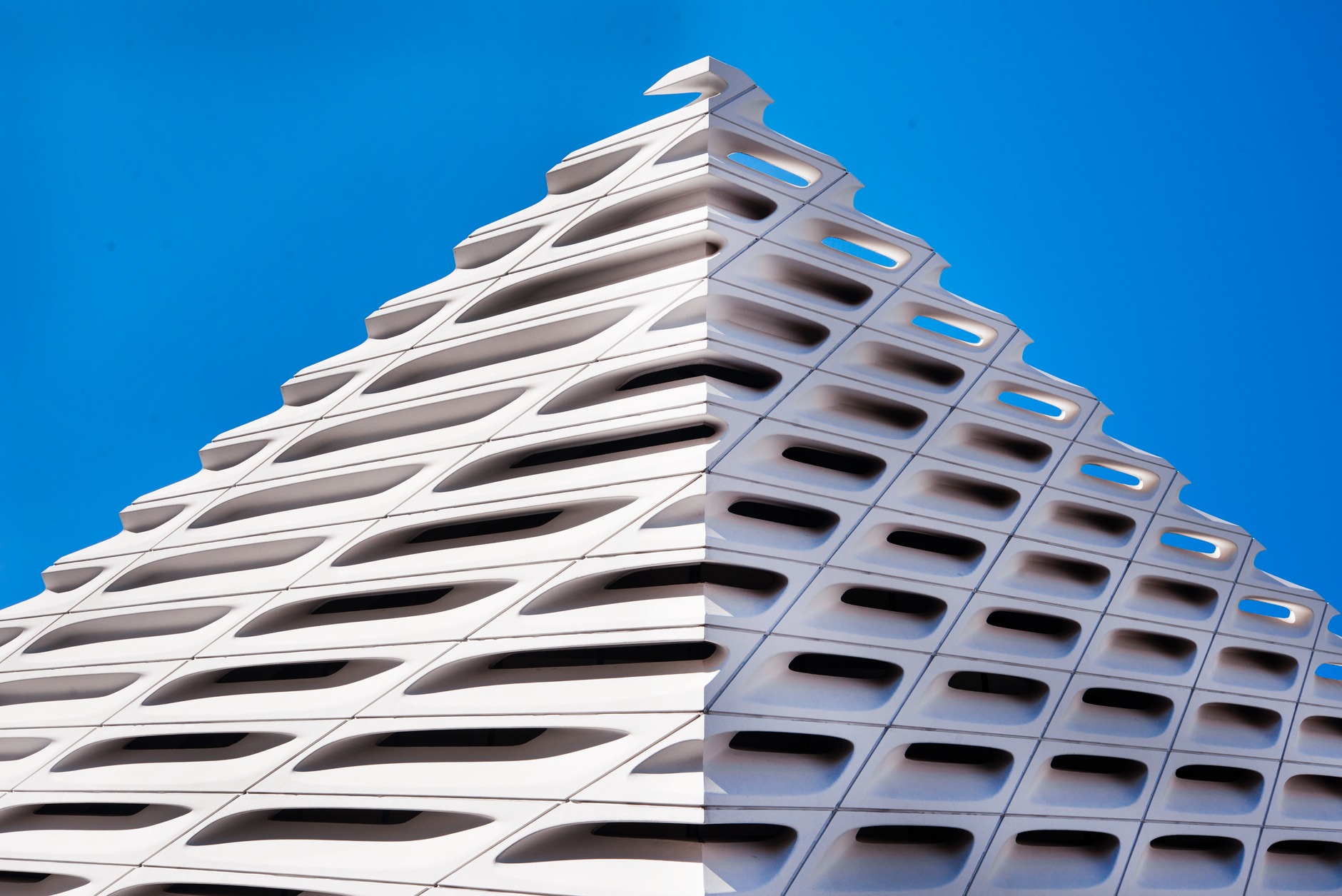
Three LA museums publish all four. LACMA’s accessibility page covers complimentary admission for a personal care attendant and loaner wheelchairs at the ticket office on a first come, first served basis. The Broad lists accessible parking on P1 of its own garage. The Getty explains that the tram from the parking structure is accessible and asks wheelchair users to board an end car.
Read those pages directly rather than a summary on a blog, including this one. They are the version that gets updated.
The five things access pages almost never say
- How far the accessible entrance is from accessible parking, in minutes rather than in feet.
- How many loaner chairs exist, and what happens when they are all out.
- Whether the timed-entry line and the accessible entrance are the same line.
- Whether there is seating inside the galleries, and how far apart it is.
- Whether the special exhibition has its own entrance with its own rules.
Those five decide whether a visit is two comfortable hours or ninety minutes of improvising.
What to ask on the phone
Museums answer access questions well when a person is asked. Call visitor services and walk the visit through in order: parking, door, ticket desk, restroom, galleries, food, and the way back out.
Two questions do most of the work. Ask about elevators if any part of the collection sits on another floor, and ask whether anything is under construction. Construction closes accessible routes far more often than it closes stairs.
Our five questions to ask any LA venue work on a museum with almost no changes.
Timing is an access tool
Some museums publish their calmest hours. LACMA’s access page names early afternoon midweek as the easiest window for visitors sensitive to crowds and noise.
That is useful whether or not crowds are your issue. A thinner gallery is an easier gallery to move through in a chair, and staff have time to answer you properly.
Where we stand on all this
We have not run our five checks inside an LA museum yet, so there is no score card at the top of this page and no rating anywhere in it. Our system only scores places we have been through ourselves.
What we can hand you is the reading method and the official pages. Start at LACMA, The Broad, and the Getty, then call with the gaps.