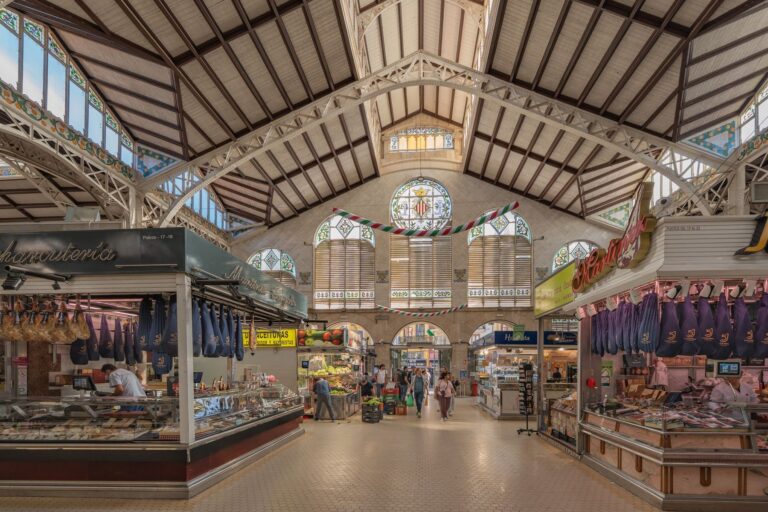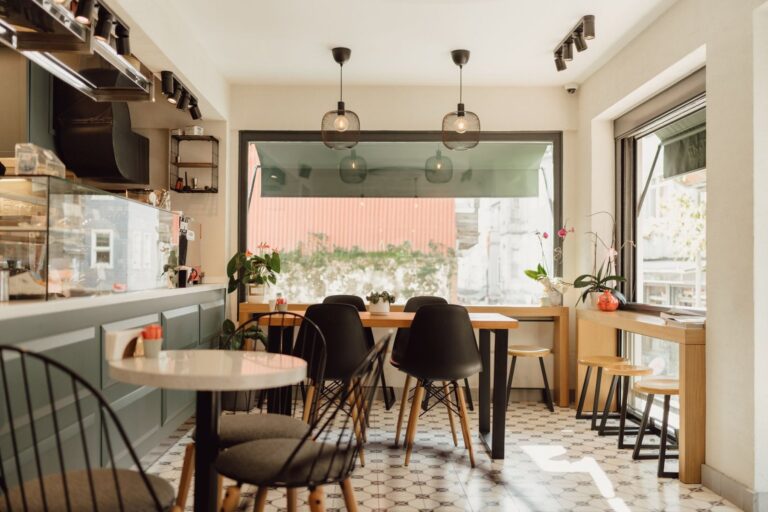

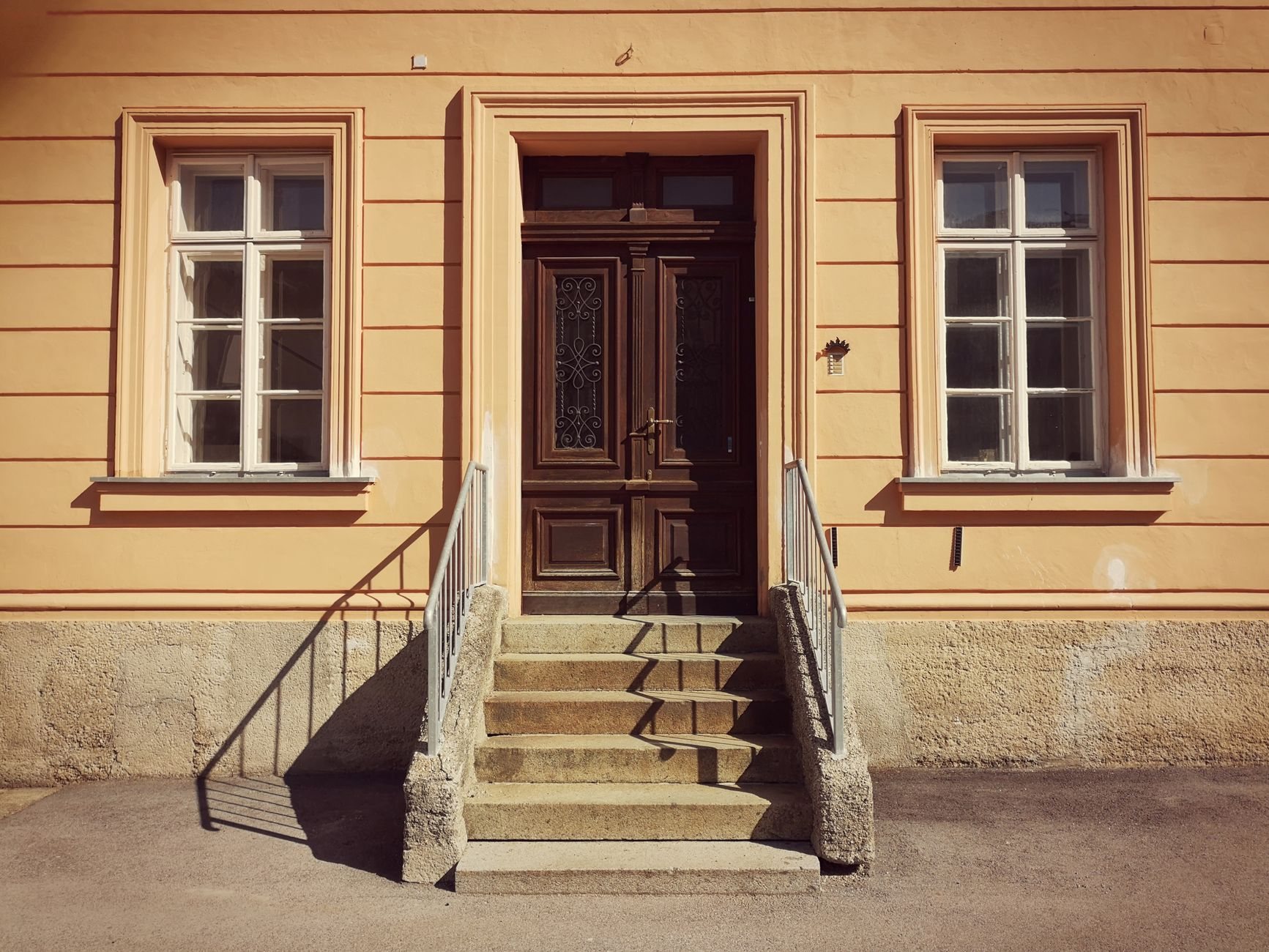
Search a restaurant and you will get a wheelchair icon, a checkbox, or a line in the FAQ saying the venue is accessible. Four sources will tell you four different things, and none of them will mention the step at the patio door.
Each source is built by different people for different reasons. Once you know who filled a field in and why, you can read it properly.
Google’s accessibility attributes
Google shows attributes like wheelchair accessible entrance, restroom, seating, and parking. Some come from the business. A lot come from Local Guides answering a yes-or-no prompt in the app.
The person answering that prompt saw a doorway. They did not measure it, and nobody asked them about the two steps down to the back room. Treat a tick as a starting point, and treat a missing tick as no information rather than a no.
Yelp’s fields, and the reviews underneath them
Yelp’s attributes work the same way and go stale the same way, because a remodel does not prompt anyone to update them.
The reviews are the useful part. Search inside them for step, stairs, ramp, downstairs, upstairs, and patio. People mention stairs when stairs annoy them, so the complaints are usually more accurate than the checkbox above them.
OpenTable, Resy, and the special requests box
The requests box is not a filter and it is not a promise. It prints on a ticket that a host may or may not read during a rush.
Use it anyway, and use it specifically. “Wheelchair user, need a table with leg bases and no step, party of four” gives a host something to act on. “Accessible table please” gives them nothing.
The venue’s own website
The best source when it exists and the emptiest when it does not. A restaurant that has thought about access will name the entrance, say which floor the restroom is on, and give a phone number or an email for access questions.
A restaurant that has not thought about it will use the word welcoming. That is a mood, not a measurement.
Photos beat every checkbox
Photos are the one source nobody curates for access, which is why they are the most reliable. Interior shots show you table bases, counter heights next to standing customers, thresholds, and the step down to the back room.
Street View shows the front door, the curb, and whether the sidewalk out front is level or pitched. Drop the pegman on the cross street as well, because LA blocks change grade fast and the corner you approach from decides your route.

The green flags
- The entrance is named, not just described as accessible.
- The restroom’s floor and location are stated.
- There is a phone number or an email for access questions.
- Photos show the dining room, not only the food.
- A floor plan or a seating map exists.
What none of them can tell you
No listing knows whether the table you are handed tonight is the accessible one. That is a person’s decision on the night, which is why we ask for a table number instead of a promise.
The full version of that call is in the restaurant phone call, and the same reading method works on a bar in scout a bar before you go.
We run five access checks on every place we review, and the system behind them is on the reviews page. The first full score card is the Savannah Bananas at Angel Stadium.